|
Wonder at Wildlife The diverse blending of natural zones at the confluence of the Suwannee River estuary and the Gulf of Mexico creates an unusually rich wildlife environment. Largely undisturbed by development and protected by the Lower Suwannee Wildlife Refuge the area is home to over 250 species of bird. Enjoy a wildlife cruise in hopes of seeing alligators, sturgeon, tarpon, and bottlenose dolphin, at the mouth of the river. Manatee are seen in the river, creeks, and canals during the warmer months of the year. They migrate up river, to the springs, when the water temperature starts dropping into the 70's.
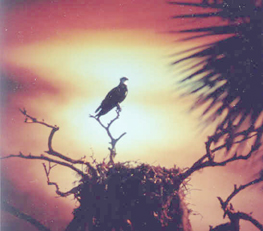
The near-shore Gulf waters of the Suwannee Sound, rich with nutrients from the river create excellent habitat for fish, shrimp and shellfish and attracts thousands of shorebirds such as pelicans, heron, egrets and diving ducks feed in the marshes, tidal flats and oyster bars. Raptors, including osprey, bald eagles, red-shouldered hawk and the seasonal swallow-tailed kites, sail the skies above the river and Gulf. East Pass, a broad, winding arm of the river populated with tall cypress, is a nesting area for osprey, while both osprey and bald eagles nest in the old growth trees of the tiny Islands dotting the shallow near-shore Gulf waters.
Savor Tranquility by Water The Suwannee River estuary and near-shore Gulf waters are prized by boaters of all kinds for great natural beauty and peaceful seclusion. Although more readily enjoyed in a shallow draft boat, (3 feet or less) anyone who loves to be on the water will appreciate this unique combination of fresh and salt environments. Considered a "low energy" coastline, the area around the Suwannee River mouth typically offers mild conditions and flat seas to ocean going boaters. While most come to fish in the rich near-shore waters of the Suwannee Sound, a growing number of sail boaters and pleasure motor boaters are discovering the area's untouched natural beauty. Houseboats are one of the favorite ways to enjoy the tranquillity of the Suwannee River. With navigation as far upstream as 70 miles, they offer the advantage of a safe and easy-to-operate craft with roomy accommodation. Laze through the arms of the delta or up the river and enjoy all nature has to offer. |
Escape the Ordinary by Paddle Whether by canoe or kayak, paddlers will enjoy the diverse natural environment of the wide Suwannee River, (remove deep) fresh waters creeks, winding salt water sloughs and placid, shallow near-shore Gulf waters, all with easy access. For best novice or family paddling, launch in the town of Suwannee at Anderson Landing State River Camp, the community center, Munden Creek, or one of the public boat ramp. Hire a guide or choose to explore on your own. With some experience you can follow one of the interlocking trails marked by the U.S. Fish and Wildlife Service on unobstructed creeks. For a 2 - 4 hour trip, paddle the winding creeks of Demory, Locke or Shingle into the Suwannee River. Beyond the marked trails, only experience, energy, weather, and tides need limit your paddling adventure. In East Pass, a meander to the Gulf is a 4 mile paddle. You will see the hardwoods give way to marsh. Watch for rolling garfish, jumping sturgeons and osprey wheeling over untidy nests high in giant cypress. Yes, you may see an alligator or two, but they usually want nothing to do with humans. Paddle the broad Suwannee to West Pass and watch sunset transform the world to gold. If the weather is good, take a day paddle to some of the area islands. You can pick through the shallow water and oyster bars or follow secret sloughs between walls of water grass Tides affect the Gulf and estuaries of the river, and the currents are strongest when the river is low. Very shallow tidal creeks may trickle down to nothing at ebb tide. For best paddling, consult a tide chart and plan in advance to take advantage of ebb and flow. Discover the Dixie Mainline The Dixie Mainline Trail parallels the coastline at the northeast edge of the Lower Suwannee Wildlife Refuge. Once a logging access road, much of the trail was inaccessible until the U.S. Wildlife Service recently rebuilt five small bridges across the tidal creeks, opening up areas virtually untouched for a quarter of a century.
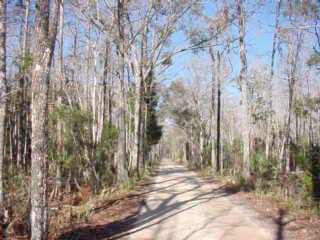
Hike, bike or slowly drive (25 mph maximum) this nine-mile trail north from the community of Suwannee. The trail passes through upland pine forest, hardwood hammock, wetlands and tidal creek environments. Expect special nature and wildlife experiences in this undisturbed environment. Watch for herons, egrets, ibis, barred owls, alligator, turtle, small mammals and a variety of plant life. Along the trail stop at Salt Creek Lookout. Then continue enjoying the old Florida landscape and turn left at paved CR 357. Here you will find the historical Fishbone Cemetery and Fishbone Creek Overlook.The road ends near the Shired Island County Park , which is the perfect place to end the day, watching the sunset on the Gulf. (Brochures are available from the U.S. Wildlife Service with maps of the marked canoe trails and an interpretive guide to the Dixie Mainline.) |
| The Lower Suwannee National Wildlife Refuge | |
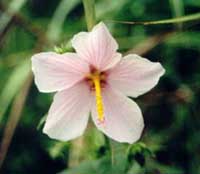 Often hidden among the tangled roots of cypress, spicy-scented sweet bay and myrtle along the river and estuary creeks, an ever-changing display delights wildflower lovers with splashes of multi-colorful lantana, spider lily, morning glory, or in spring, brilliant purple iris with hearts as yellow as butter. In upland communities look for wild air plants and Spanish moss festooning the trees.